Children often carry the quiet weight of addiction long before anyone notices. When a parent or caregiver is struggling with substance use or untreated mental health conditions, kids are affected every single day, even if no one talks about it. Children of Addiction Awareness Week, held each year from February 11 to 17, shines a light on these “invisible” kids and reminds all of us that they deserve understanding, safety, and support.
Helping Kids Heal From Addiction in the Family
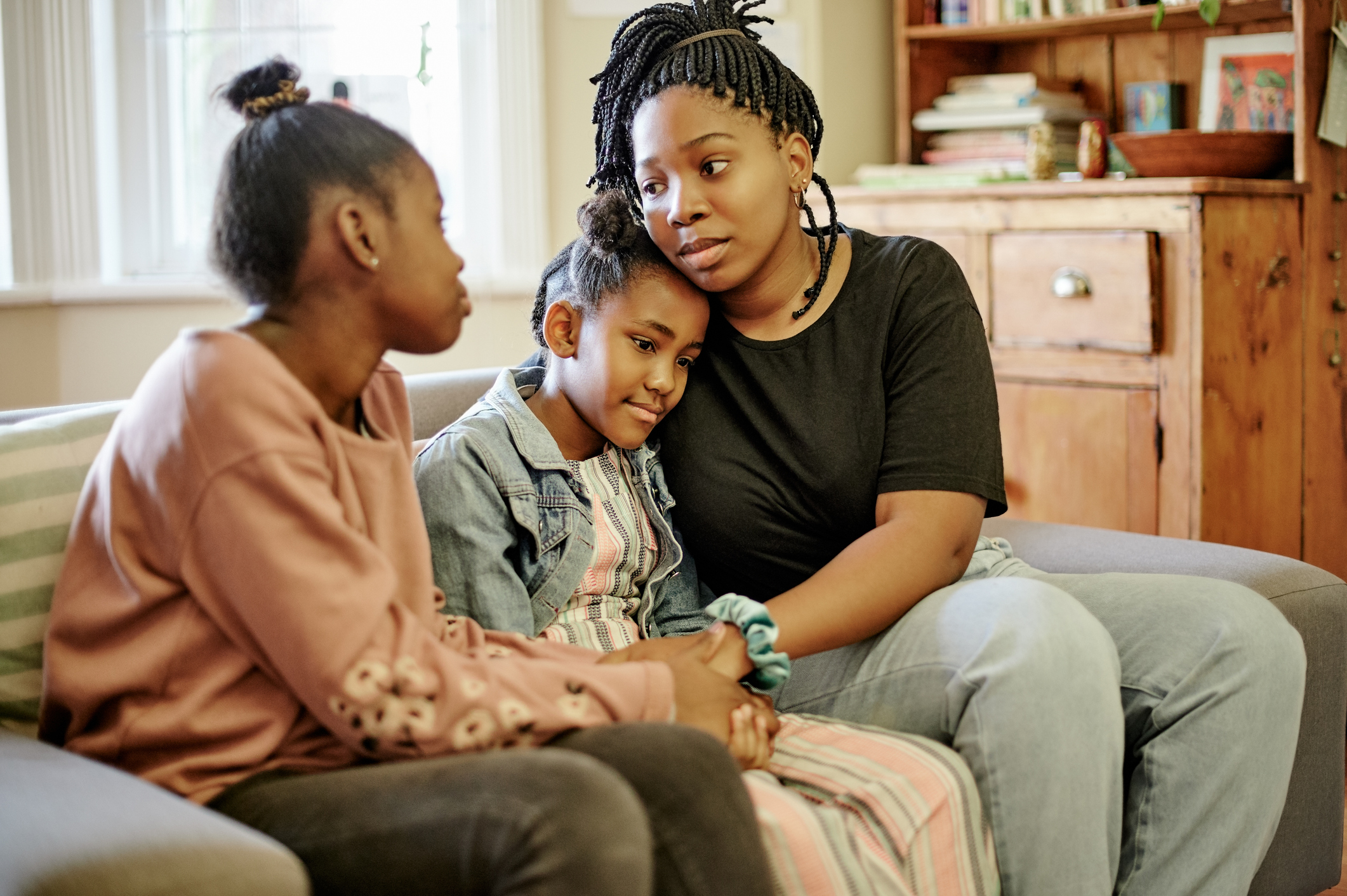
Seeing Invisible Kids in Families Impacted by Addiction
Children often carry the quiet weight of addiction long before anyone notices. When a parent or caregiver is struggling with substance use or untreated mental health conditions, kids are affected every single day, even if no one talks about it. Children of Addiction Awareness Week, held each year from February 11 to 17, shines a light on these “invisible” kids and reminds all of us that they deserve understanding, safety, and support.
At Freedom House Recovery Center, we see how mental health and addiction support must reach the entire family, not just the person using substances. In homes across North Carolina and beyond, kids in these situations may struggle with big emotions, behavior changes, school problems, and relationship difficulties. None of this means a child has done something to deserve this. It is a natural response to living with stress and uncertainty. Parents are often doing the best they can while dealing with their own pain. Blame does not heal families. They need tools, compassion, and practical help.
How Addiction Shapes a Child’s World
When addiction or untreated mental health conditions are present, a child’s world can feel unsafe and unpredictable. The focus at home may shift to crisis management, hiding problems, or keeping up appearances, rather than meeting a child’s emotional needs. Kids quickly learn that something is wrong, even if no one says the word “addiction.”
Many children in these families experience things like:
• Unpredictability, not knowing what mood they will find when they walk in the door
• Secrecy, hearing “do not tell anyone” about what is happening at home
• Parentification, taking on adult responsibilities, such as caring for siblings or calming a caregiver
• Walking on eggshells, constantly trying to avoid upsetting a parent
Children respond to this stress in different ways. Some become very anxious, always scanning for danger. Others may feel sad or hopeless. Some kids explode in anger at school or at home, while others shut down and withdraw. On the outside, a child might look like an overachiever, getting perfect grades and never causing trouble, but on the inside, they may be terrified of making a mistake.
Common emotional and behavioral responses can include:
• Anxiety or depression
• Anger, irritability, or frequent outbursts
• Clinginess or extreme independence
• Perfectionism or feeling like they have to “earn” love
• Trouble concentrating or drops in school performance
Without mental health and addiction support, these early experiences can affect a child into adolescence and adulthood. They may find it hard to trust others, struggle with boundaries, or be at higher risk of using substances themselves. But these outcomes are not a life sentence. With care, stability, and the right resources, children can build resilience and move into healthier patterns.
Protective Factors That Help Break the Cycle
Protective factors are the people, places, and routines that help buffer kids from the hardest parts of addiction. They do not erase the pain, but they give children a sense of safety and predictability that can change the course of their lives.
Think of protective factors as:
• Safe people, adults who are calm, reliable, and willing to listen
• Safe places, environments like school, after-school programs, or a relative’s home, where kids can relax
• Safe routines, regular habits that help children know what to expect next
Research and experience both point to the power of one stable, caring adult. This might be a grandparent, an aunt, a teacher, a coach, a neighbor, a counselor, or a mentor. When a child knows there is at least one grown-up who sees them, believes them, and shows up consistently, it can ease their sense of isolation.
Simple but steady structures also make a difference:
• Regular mealtimes, even if it is just a snack at the same time each day
• Set bedtimes and wake-up times that keep a child’s body and brain regulated
• Clear, age-appropriate rules with predictable consequences
• Encouragement for effort, not just achievements
Integrated mental health and addiction support can strengthen these protective factors. When parents receive treatment for substance use and mental health concerns through outpatient clinics, residential programs, and crisis services, they often become more present, emotionally available, and stable. At Freedom House Recovery Center, we see how helping adults stabilize can open space for healthier family routines and more secure connections with children.
Talking With Children About Addiction in Honest, Gentle Ways
Silence rarely protects kids. They are already noticing what is happening, even if adults never say the word “addiction.” Honest, gentle conversations can reduce fear and confusion, and help children understand that what they are experiencing is not their fault.
For younger kids, simple language is best, such as:
• “Your dad has an illness that affects his brain and his choices.”
• “Your mom is getting help because she has a sickness that makes it hard for her to stop using a substance.”
• “This is a grown-up problem, not something you caused.”
Older children and teens can handle more detail, but still need non-shaming explanations. The key messages to repeat, over and over, are:
• You did not cause this.
• You cannot control it.
• You cannot cure it.
• You are not alone.
Kids often ask hard questions, like:
• “Is Mom going to die?”
• “Will Dad ever get better?”
• “Will I become an addict too?”
It is okay to say, “I do not know, but here is what we are doing to help,” or “Many people get better with support, and we are focusing on keeping you safe.” When a child is worried about becoming addicted, you might say, “Having addiction in the family can make it more important to be careful, but it does not mean you are doomed. There are many ways to stay healthy, and there are people who can help you.”
Caregivers do not have to figure this out alone. Talking with a counselor, family therapist, or staff in a family program first can give adults the words and confidence they need for these conversations.
Practical Ways Families and Allies Can Offer Support
Everyday actions add up. Even if you cannot change the entire situation, you can make a real difference in how a child experiences it. Kids need adults who are willing to listen, validate, and share some control.
Supportive adults can:
• Listen without interrupting or rushing to “fix” things
• Name and validate feelings, such as “It makes sense that you feel angry and confused”
• Offer choices, like what to eat or which homework to start first, to restore a sense of control
• Help kids stay connected to activities they enjoy, such as sports, music, or clubs
Community resources can also be part of the safety net:
• School counselors and social workers
• Pediatricians and primary care providers who understand behavioral health
• Child and family therapists
• Support groups designed for children of addiction
• Faith or community groups that are informed about trauma and recovery
Integrated mental health and addiction support can coordinate care for both parent and child. Family therapy, parenting skills programs, and case management can help address communication patterns, teach coping skills, and rebuild trust. At Freedom House Recovery Center, our outpatient clinics, residential services, and mobile crisis programs aim to stabilize parents while connecting children to age-appropriate care and resources close to home in communities like Chapel Hill, Durham, Roxboro, and Warrenton.
Taking the Next Step Toward Healing as a Family
No family is too far gone for change. Even when there have been years of conflict, secrecy, or hurt, children can still experience new patterns of safety, honesty, and care. Healing does not happen all at once. It happens in small steps, like one honest conversation, one counseling appointment, or one adult deciding to show up regularly for a child.
Children of Addiction Awareness Week offers a meaningful moment to pause and pay attention to the kids who are often overlooked. It can be a time to check in with the children in your life, learn more about how addiction affects families, and explore local mental health and addiction support options. When we recognize what kids are going through and respond with compassion instead of shame, we help break the cycle, one family at a time.
Every caring adult has the power to help a child feel less alone. By offering stability, listening, and hope, we create space for children of addiction to grow into adults who know they are worthy of love, support, and recovery.
Take the Next Step Toward Lasting Recovery
If you or someone you love is struggling, we are here at Freedom House Recovery Center to walk with you through every stage of healing. Our team offers wrap around services and person-centered care that addresses both emotional wellness and substance use so you do not have to face this alone. Explore our dedicated mental health and addiction support services to find the path that fits your needs. Reach out today so we can help you build a safer, more stable future.