
Learn how mobile crisis support in North Carolina helps during substance use emergencies, what to expect, and how to access immediate care fast.
Mobile Crisis Support for Substance Use Emergencies
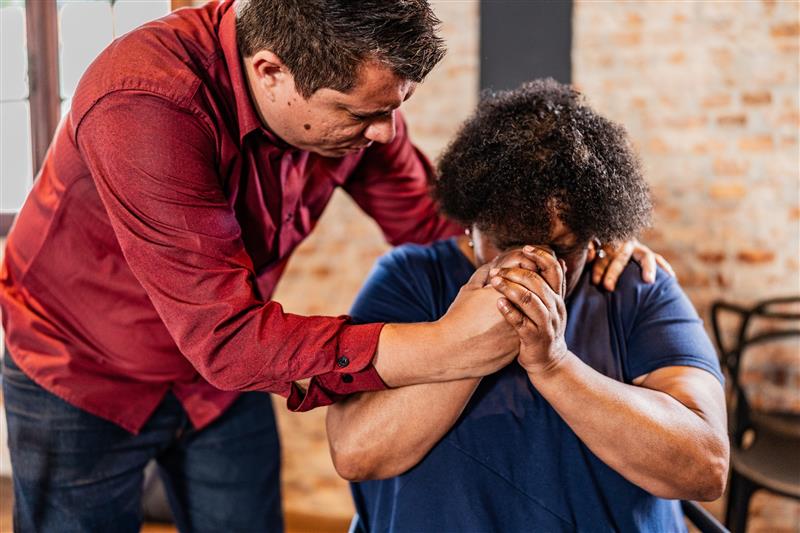
When Every Minute Counts: Reaching for Help in Crisis
A substance use crisis can develop quickly. One moment, someone may seem stressed or a bit withdrawn, and the next, there may be a real risk of overdose, self-harm, aggression, or psychosis. In those moments, families and friends often feel scared, unsure, and isolated. It can be difficult to know who to call or what to say.
Across North Carolina, mobile crisis support brings trained behavioral health professionals directly to where the crisis is happening. Instead of trying to get someone to an emergency room while they are upset, intoxicated, or refusing help, mobile crisis teams come to homes, schools, or community settings. This article explains what the process typically looks like when mobile crisis services make sense, and how ongoing support from providers like Freedom House Recovery Center can help after the immediate crisis is over.
Recognizing a Substance Use Crisis Before It Peaks
Many people hope a difficult moment will pass on its own. Sometimes it does. Other times, early warning signs are the beginning of a serious substance use crisis. Paying attention to changes in behavior can help you act before things reach a breaking point.
Some common warning signs include:
- Sudden mood swings, rage, or deep withdrawal from others
- Rapid increase in alcohol or drug use, or using in secret
- Mixing substances, such as alcohol with pills or other drugs
- Talking about wanting to die or not caring if they live
- Intense paranoia, hearing or seeing things, or acting very confused
Certain times of year can put additional strain on people already managing substance use or mental health concerns. Winter isolation, holiday stress, pressure at school, or money worries as a new season starts can all increase the risk of relapse or crisis. Even as days get lighter and warmer, underlying stressors may remain and intensify without support.
To decide whether a situation is a difficult moment or an actual crisis, consider questions such as:
- Is there immediate danger to the person or someone else?
- Is the person able to eat, drink, sleep, and care for basic needs?
- Are substances involved in a way that affects breathing, waking, or clear thinking?
- Is the person threatening harm or acting so out of control that safety feels at risk?
If you answer yes to any of these, it is important to treat the situation as a crisis and look at options like mobile crisis support, 911, or the emergency department.
What Mobile Crisis Support Is and How It Works in NC
Mobile crisis is a 24/7 behavioral health service that sends trained staff to the person in crisis, instead of asking them to come into a clinic. In North Carolina, these teams usually include clinicians and other behavioral health professionals experienced in working with both mental health and substance use concerns.
A typical mobile crisis response may include:
- Phone screening to understand what is happening
- An in-person visit wherever the person is, when it is safe to do so
- Assessment of mental health, substance use, and safety needs
- Calming and de-escalation for the person and family or supports
- A short-term plan, including referrals to follow-up services
Mobile crisis is different from 911, the emergency department, and routine outpatient care.
Each has a role:
- Mobile crisis: Most appropriate when there is serious emotional or substance-related distress, but no clear medical emergency such as stopped breathing or chest pain.
- 911 or the emergency department: Necessary if there is a life-threatening overdose, serious injury, or immediate risk of harm that cannot be managed safely in the current setting.
- Outpatient care: Helpful for ongoing therapy, medication management, and recovery support once the situation is more stable.
In many cases, mobile crisis can help reduce the need for hospitalization or arrest. The focus is on stabilizing the situation and planning next steps, while keeping safety the priority.
Calling for Mobile Crisis Support: Step-by-Step Guidance
Once you decide that help is needed, making the first call can still feel challenging. Having a simple plan can make it easier to move from uncertainty to action.
Before or while you call, try to:
- Move to the safest area you reasonably can, away from weapons or sharp objects
- Identify any alcohol, pills, or drugs in the space, but do not argue or grab at them if it is unsafe
- Have basic information ready, such as the person’s age, current symptoms, substances involved if known, medical conditions, and your exact location
During the call, you will usually be asked about what is happening right now, whether anyone is in danger, and whether there are medical issues that might require 911 or the emergency department. The team will explain what they can do and provide an overview of what to expect.
When mobile crisis staff arrive in North Carolina, a typical visit may include:
- Introductions and a brief safety check of the environment
- Questions for the person in crisis and, when appropriate, family or natural supports
- Discussion about substance use patterns, mental health history, and current stressors
- Development of a practical crisis and safety plan that can be used right away
Many people worry that calling mobile crisis support will automatically bring law enforcement, child welfare, or involuntary commitment. However, the primary goal is stabilization, safety, and support, so the mobile crisis support team will not get anyone else involved unless absolutely necessary. If there is a safety risk that the team cannot manage alone, law enforcement may be called, but only in the situation where someone’s safety is in immediate danger. Involuntary steps are always a last resort when there is serious and immediate danger.
Building a Path Beyond the Crisis with Ongoing Support
Mobile crisis is an important first step, but it is not the complete path to recovery. Once the immediate emergency has settled, the next focus is longer-term care for substance use and any related mental health concerns.
Follow-up care may include:
- Detox support in a safe setting when needed
- Residential treatment to provide structure and daily support
- Outpatient therapy to address triggers, coping skills, and relationships
- Medication management for mental health or substance use treatment
- Peer support from people who have lived experience with recovery
Organizations like Freedom House Recovery Center help connect crisis stabilization to ongoing services for both adults and children. As a nonprofit behavioral health provider in North Carolina, Freedom House Recovery Center offers integrated mental health, substance use, crisis, and residential services. This approach allows people to move from a mobile crisis response into more consistent care with a team familiar with both substance use and mental health needs.
For families and individuals, helpful steps after a crisis include:
- Following through on referrals and attending early appointments
- Securing the home by safely storing medications, alcohol, and any weapons
- Talking with providers about a relapse-prevention and wellness plan
- Building a support network that might include family, friends, peers, and clinicians
The period right after a crisis can feel fragile. Having a clear plan and a coordinated care team can reduce the likelihood of another crisis and support movement toward greater stability.
Taking the Next Step Toward Safer, Healthier Days
Substance use crises are serious, but it is not necessary to wait until a situation becomes life-threatening before asking for help. Using resources like mobile crisis support, helplines, and community-based care is a proactive step that can protect health, relationships, and safety.
Freedom House Recovery Center is committed to providing care that is responsive to each person’s circumstances, including real-life stress, family concerns, and community pressures. For people in North Carolina, saving key crisis numbers in a phone, learning about local mobile crisis options, and knowing that integrated services are available can increase a sense of preparedness. At Freedom House Recovery Center we provide all three of these options. Recovery is possible, and people do not have to manage a substance use crisis without support when qualified help is available and ready to respond.
Get Immediate Support From Our Mobile Crisis Team Today
If you or someone you care about is in emotional distress, you do not have to navigate it alone. At Freedom House Recovery Center, our trained professionals can come to you through our mobile crisis services to provide calm, compassionate support right where it is needed most. We work with you to stabilize the situation, explore next steps, and connect you with ongoing care. Reach out now so we can help you stay safe and supported in this critical moment.