
How Friends Can Save Lives in a Substance Use Crisis
A fun night with friends in North Carolina can change in seconds when someone overdoses. One person steps away to the car and is gone too long, another starts nodding off and will not wake up, or breathing suddenly slows. In that moment, friends and peers are the ones standing there, not doctors or EMTs. What happens next can save a life.
At Freedom House Recovery Center, we see how powerful friends can be during a substance use crisis. This guide is here to give you clear, simple steps so you can recognize danger early, respond to an overdose with confidence, use naloxone, and support your friend afterward. You do not have to be a professional to make a real difference.
Spotting Early Warning Signs Before Crisis Hits
A crisis almost never comes out of nowhere. Often, there are warning signs in the days or weeks before. When we notice these shifts and speak up with care, we may help prevent an overdose or other emergency.
Some early behavior and mood changes can include:
- Pulling away from usual friends or activities
- Acting secretive about where they are going or who they are with
- Sudden money problems, borrowing often, or missing items
- Mixing pills, alcohol, and other drugs in risky ways
You might also notice changes in a person’s body or mental health, such as:
- Nodding off during conversations or meals
- Slurred speech or trouble staying focused
- Slow, shallow, or oddly loud breathing
- Sudden weight loss and looking run-down
- Increased anxiety, sadness, or irritability
Stressful times, like late summer moves, new school years, or job changes, can make these patterns stronger. If you see a mix of these signs, it is okay to be concerned.
When you check in, kindness matters more than perfect words. Try to:
- Choose a calm, private place, not in front of the group
- Speak in a quiet, steady voice
- Use “I” statements, like “I’m worried about you”
- Ask open questions: “How have you been feeling?” or “What is your use like lately?”
Avoid blame or labels like “addict” or “you always.” The goal is to listen, show care, and keep the door open for honest talk.
Recognizing an Overdose and When to Call 911
If the situation has already turned into an overdose, quick action is key. With opioids like pain pills, heroin, or fentanyl, there are some clear signs to watch for.
Classic opioid overdose signs include:
- Very slow or stopped breathing
- Blue or gray lips or fingernails
- Unresponsive to shouting, shaking, or a chest rub
- Gurgling, choking, or snoring sounds
- Limp, heavy body, sometimes with pale or clammy skin
- Pupils that are very tiny, like pinpoints
In the first 60 to 90 seconds, here is what to do:
- Try to wake them. Call their name, shake their shoulder, give a firm rub in the center of the chest.
- If they are breathing and you must step away, place them on their side in the recovery position so they do not choke.
- If they are not breathing or breathing very poorly, start rescue breathing if you know how.
- Call 911 right away, even if you plan to give naloxone. Say, “Someone is not breathing” or “possible overdose.”
In North Carolina, Good Samaritan laws offer some protections when you call for help during the substance use crisis. In many cases, people who call 911 in good faith for an overdose are protected from some low-level drug possession charges. These protections have limits, so law enforcement may still act in certain situations, but calling for help is strongly encouraged. Your call can be the reason your friend lives.
Step-by-Step Guide to Using Naloxone Safely
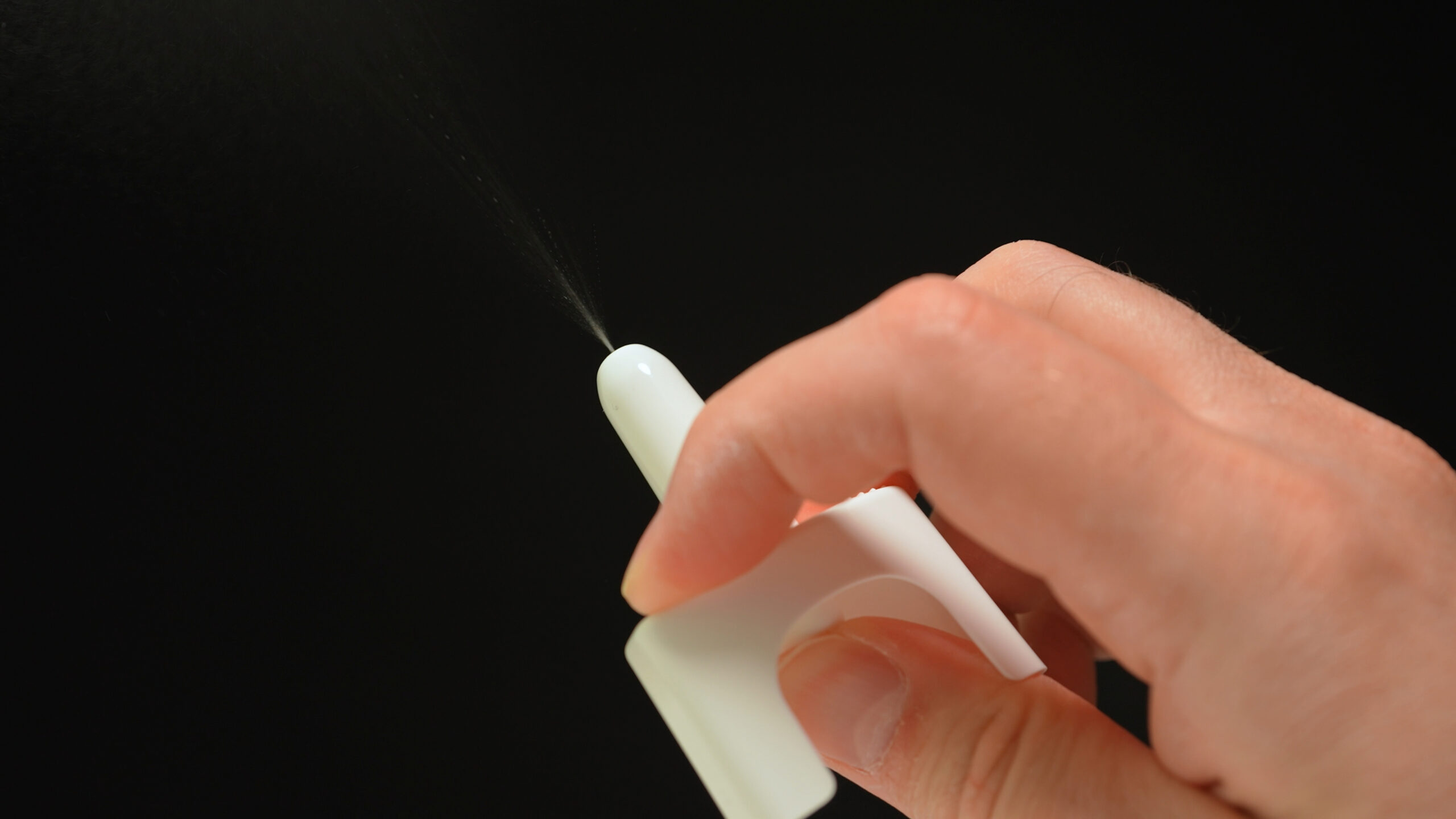
Naloxone is a medicine that can reverse an opioid overdose for a short time. Many kits in North Carolina come as a nasal spray, which is easier for most people to use.
A simple step-by-step approach:
- Check for overdose signs: not waking up, slow or no breathing, blue lips.
- Call 911 and put the phone on speaker if you can.
- Lay the person on their back, tip their head slightly back.
- Insert the spray tip gently into one nostril until your fingers touch their nose.
- Press the plunger all the way to release the dose.
- Watch their breathing and chest. If they do not wake up or breathing stays poor after a few minutes, give a second dose in the other nostril.
- Stay with them until help arrives. If they start breathing better, keep them on their side.
Many people worry about using naloxone the wrong way. Here are some key truths:
- Naloxone does not cause a high and is not a drug people take for fun.
- Giving naloxone will not make someone start using more.
- If it turns out they did not use opioids, naloxone is very unlikely to hurt them.
- It is better to give naloxone if you are unsure than to wait and risk death.
Across North Carolina, naloxone kits are often available at pharmacies and through community and harm reduction programs, sometimes at low or no cost. Carrying naloxone is an act of care. It says, “Your life matters to me.”
Supporting a Loved One After the Substance Use Crisis
The crisis does not end when breathing returns or the ambulance leaves. The hours and days after can be heavy for everyone involved. People often feel shock, guilt, anger, fear, or shame. Friends who responded may replay the event in their minds, wondering if they did enough.
These feelings are common. It can help to:
- Talk with a trusted person about what happened
- Pause and take three deep breaths in moments that feel overwhelming
- Remind yourself that acting at all took courage
When you are ready to talk with the person who overdosed, try to focus on safety and hope. You might say:
- “I was really scared. I care about you and want you to be safe.”
- “Can we talk about what might help you stay alive and feel better?”
- “What kind of support would feel helpful right now?”
Avoid lectures or long lists of what they did wrong. Change is often a process, and even small steps count. If they are open to help, you can explore options together.
Freedom House Recovery Center offers a range of mental health and substance use services, including outpatient care, residential programs, mobile crisis support, and a facility-based crisis unit. Friends can support by offering rides, helping keep track of appointments, checking in after sessions, and reminding the person that recovery is possible even when it feels hard.
Turning Courage Into Action with Local Resources
Every concert, football game, beach day, or back-to-school party is safer when someone in the group knows how to respond to the substance use crisis. A few simple actions can prepare you and your friends before the next gathering:
- Learn overdose response steps and practice them out loud.
- Carry naloxone and tell your friends where it is.
- Talk openly in your group about watching out for each other.
- Share what you know about Good Samaritan protections.
In and around Chapel Hill and nearby communities, Freedom House Recovery Center partners with people and groups who want to prevent tragedies and support long-term healing. We provide crisis services, mental health and substance use treatment options, and help connect individuals and families with ongoing care.
When friends and peers learn these skills, they become a safety net for one another. Your presence, your calm voice, your call to 911, and your willingness to stand by someone after a scary event can all be part of what keeps them alive and gives them a chance at recovery.
Take the First Step Toward Lasting Recovery Today
If you or someone you love is being affected by the substance use crisis, we are here to help you find a safer, healthier way forward. At Freedom House Recovery Center, we work with you to create a personalized plan that respects your story and your goals. Reach out to us today so we can discuss your options, answer your questions, and support you in taking the next step toward recovery.