Finding Affordable Care for Recovery in North Carolina
Outpatient addiction treatment in North Carolina can help you stay in your daily life while getting real support for substance use and mental health. You come in for care a few hours a week and sleep in your own bed at night. For many people who work, go to school, or care for family, this is the only setup that feels possible.
When people think about starting treatment, big worries usually show up fast: Can I afford this? Will Medicaid or my insurance help? How long will I have to wait? These questions are very common, and they can make someone stall even when they are ready for change.
This guide walks through what outpatient addiction care usually looks like in North Carolina, how costs and insurance often work, what to know about waitlists, and simple first steps to get started. As fall settles in and the holidays get closer, it can be a good time to put support in place before stress, travel, and social pressure start to build.
What Outpatient Addiction Treatment Really Looks Like
Outpatient addiction treatment usually means coming to a clinic or office on a set schedule, then going home afterward. Services often include:
- Individual therapy or counseling
- Group counseling or psychoeducation groups
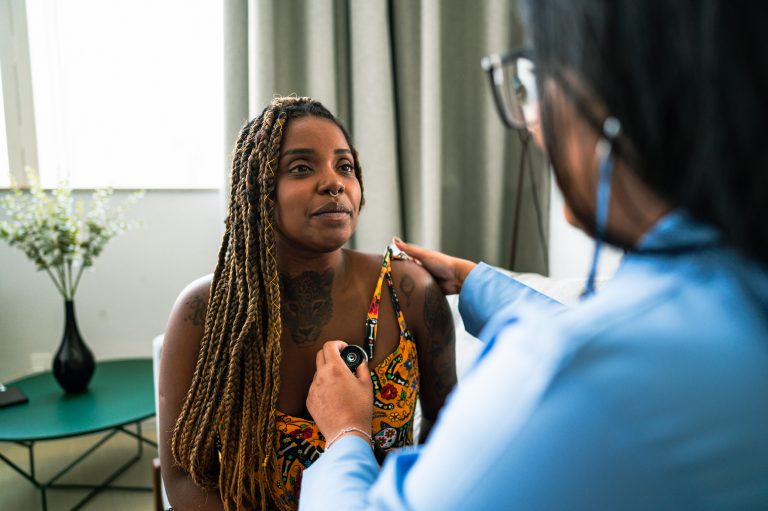
- Medication management with a medical provider
- Peer support from people with lived experience
- Family meetings or therapy when helpful
Most people attend a few hours a week. Some programs are more intense, with several sessions per week, while others are lighter and focus on check-ins and long-term support.
Outpatient care can be helpful if:
- You are medically stable and safe at home
- You have some support in your life or are willing to build it
- You can avoid using between visits most of the time
- You want to step down after residential or crisis treatment
Outpatient treatment is not the right fit for everyone. Some people need 24/7 support, medical detox, or a very structured setting first. In those cases, outpatient care often works better later, as part of a longer recovery plan.
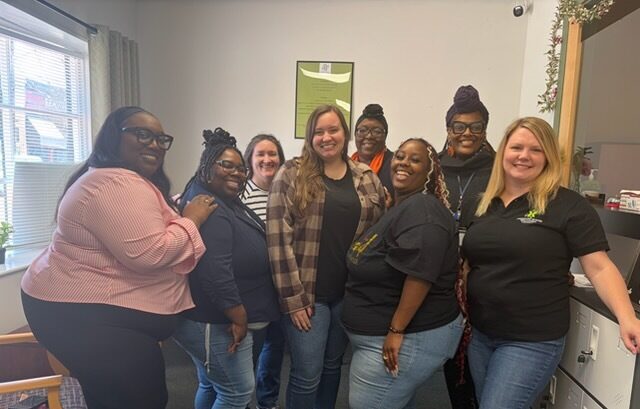
Freedom House Recovery Center offers person-centered, trauma-informed outpatient services across several North Carolina communities, including Chapel Hill, Durham, Roxboro, and Warrenton. We provide both mental health and substance use treatment in one place, which can be helpful when someone is dealing with more than one concern at the same time.
Understanding Costs of Outpatient Addiction Treatment
Costs for outpatient addiction treatment in North Carolina can look different from one program to another. Common setups include:
- Per-session fees for therapy or medication visits
- Program-based rates for structured group programs
- Co-pays for people using Medicaid or private insurance
- Sliding-scale arrangements that consider income and family size
A few key things affect what you might pay:
- Intensity of services, such as standard outpatient versus more frequent intensive care
- How often you attend, for example once a week versus several times a week
- Use of medications as part of your treatment plan
- Extra supports, such as family therapy or added groups
Many people are surprised to learn that they may qualify for help that lowers costs. Community-based organizations sometimes have access to state-funded services, grants, or charity care that can cut down or remove out-of-pocket costs for those who are eligible. At Freedom House Recovery Center, we work with people to look at these options and see what assistance might apply to them.
Medicaid vs Private Insurance for Outpatient Care
North Carolina Medicaid generally includes coverage for many outpatient addiction treatment services. This can involve:
- Initial assessments and screenings
- Individual and group counseling
- Medication-assisted treatment when appropriate
- Case management or care coordination
To use Medicaid, you usually need to choose a provider who is enrolled to accept it. That is why it is important to ask any clinic if they can bill your specific plan.
Private insurance plans also often cover outpatient addiction treatment, but they can differ from Medicaid in a few ways:
- Covered services may not be the same from plan to plan
- Co-pays and deductibles can be higher or lower
- Provider networks may be more limited
- Some services may need prior authorization
- There can be visit limits or review periods
A simple way to check your coverage is to call the number on the back of your insurance or Medicaid card. Helpful questions to ask include:
- What outpatient addiction services are covered?
- Do I need prior authorization?
- What are my co-pays and deductibles for these services?
- Which local providers are in network?
Staff at Freedom House Recovery Center can help clients verify benefits and talk through options if someone is uninsured or underinsured. That might include looking into state-funded openings or other financial assistance when they are available.
How Waitlists Work and Ways to Start Sooner
Waitlists are common in community and nonprofit programs, especially in the fall, as more people seek help before the holiday season and the new year. Reasons for waitlists can include:
- Limited staffing and appointment slots
- High demand for low-cost or covered services
- Funding rules that cap how many people can be seen at once
If you hear there is a waitlist, it does not always mean you have to just sit and wait. You can:
- Ask to be added right away and confirm your contact information
- Check in regularly to show you are still interested
- Be open to different days, times, or locations
- Ask about telehealth options
- Ask if there are groups, drop-in times, or short-term supports you can use now
Freedom House Recovery Center uses triage and assessment to identify each client’s emergent and routine needs. Those in crisis are immediately connected to mobile crisis services or facility-based crisis services. For routine outpatient care, clients can access one of four clinics, utilize telehealth, or participate in interim options like support groups and partner referrals.
Your First Steps to Start Treatment This Fall
Getting started usually begins with a small set of steps, even if it feels big inside. You can:
- Decide you are ready to talk with someone about your substance use or mental health
- Gather basic items like an ID, insurance or Medicaid card, and a list of medications
- Write down any questions or concerns you have about treatment
- Reach out to an outpatient provider and ask about an intake or assessment
At an initial outpatient assessment with Freedom House Recovery Center, you can expect a private, respectful conversation. A staff member will ask about your substance use, mental health, physical health, family situation, and daily life. Together, you will talk about goals, like staying sober, cutting back, feeling less anxious or depressed, or keeping your job or housing. There is also time to review payment options and practical issues such as transportation or childcare challenges so these do not quietly block your progress.
As the days get shorter and schedules fill up with fall events, it can feel easier to put off getting help. Starting now can mean you have more support in place before stress builds. Outpatient addiction treatment in North Carolina is not about being perfect; it is about having a caring team around you as you take the next right step for your health and your life.
Take The Next Step Toward Lasting Recovery Today
If you or someone you care about is ready to make a change, we are here to support you with personalized care that fits your life. At Freedom House Recovery Center, our team will work with you to create a treatment plan that respects your goals, schedule, and responsibilities. Learn more about our outpatient clinics in North Carolina and take a step toward a healthier future. Reach out today; we’ll help you move forward with confidence and support.